Homeowner Q&A
Storm Damage Checklist
What to photograph, who to call first, and how to keep your family safe after the wind stops.
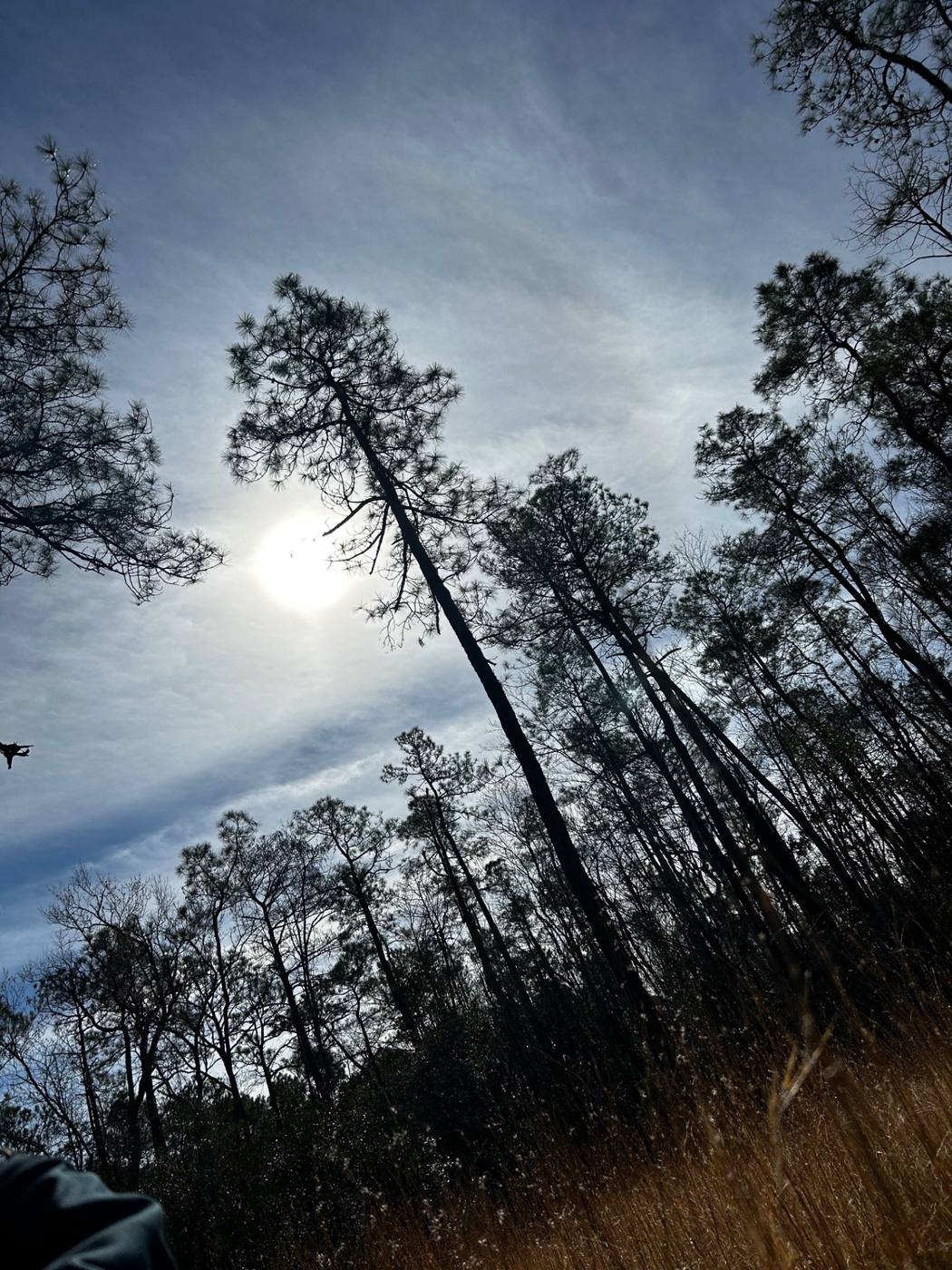
The 48 hours after a hurricane are the most dangerous time to be in your yard. Weakened trees, hidden hangers, and downed power lines cause more injuries after the storm than during it. Work through this checklist before you touch a chainsaw.
First hour
- Get everyone into a safe part of the house, away from windows.
- Call 911 if anyone is injured or if a tree is on power lines.
- Do not go outside if you can hear branches still falling.
- If a tree is on the house and you smell gas or hear water, evacuate and call the utility.
First day
- Photograph everything before any cleanup. Insurance needs before-photos. Include wide shots and close-ups of damage.
- Call your insurance carrier and open a claim.
- Walk the perimeter of the house — but stay out of the fall zone of any leaning tree.
- Do not stand under trees with hanging limbs. "Widow-makers" can fall on a still, sunny day.
- Do not touch or drive over any downed line. Assume it's live.
First week
- Get written estimates from at least two established local tree companies. Avoid door-knocking crews.
- Verify insurance (general liability *and* workers' comp) before anyone works on your property.
- Prioritize hazard trees over cosmetic cleanup. Broken limbs over the house first, then leaners, then debris.
- Save receipts — some cleanup is deductible or covered.
First two years
Storm-stressed trees often decline 12–18 months after the event. Watch for thin canopies next spring, sudden dieback, pine beetle activity, and new leans. Walk your yard every three months. Trees you thought made it may show delayed decline — catching it early can still save them.
Not sure about a tree on your property?
Send us a quick description or photo. We'll share honest, free guidance and — if you need one — connect you with a trusted Brunswick County arborist.