Storm Damage
Hurricane season is a tree question, not just a weather question.
From Isaias to Florence, Brunswick County has learned the hard way what wind and saltwater can do. Here's how to prepare, react, and recover thoughtfully.
Emergency
Tree already down? Get the step-by-step here →
Exactly what to do first when a tree has fallen on your house — safety, documentation, insurance, and removal, in order.
Insurance
Wondering if your policy covers this? →
What homeowners insurance typically pays for after a storm-felled tree in Brunswick County — and what it doesn't.
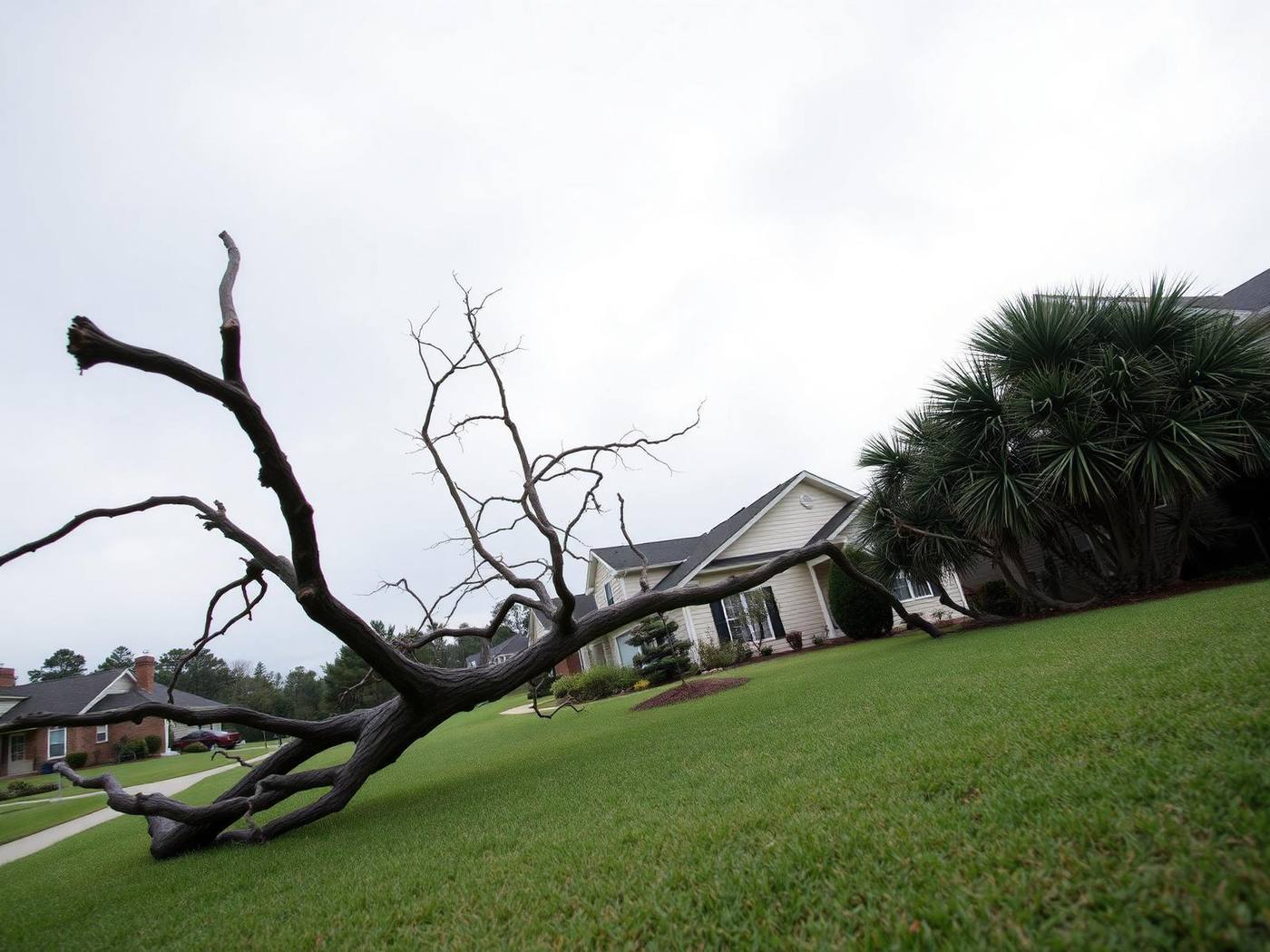
Before the storm
- Schedule structural pruning in late winter or early summer
- Remove dead, cracked, or hanging limbs
- Have any leaning or cavity-bearing tree evaluated
- Clear gutters and drains near root zones
After the storm
- Stay clear of downed lines — assume every wire is live
- Photograph damage before cutting anything
- Call your insurance carrier before hiring cleanup crews
- Watch out for unlicensed door-to-door 'storm chasers'
Trees you can often save
Not every wind-damaged tree is a loss. Trees with intact root plates, less than 25% canopy loss, and no major trunk splits often recover fully with proper follow-up care.
Trees you probably can't
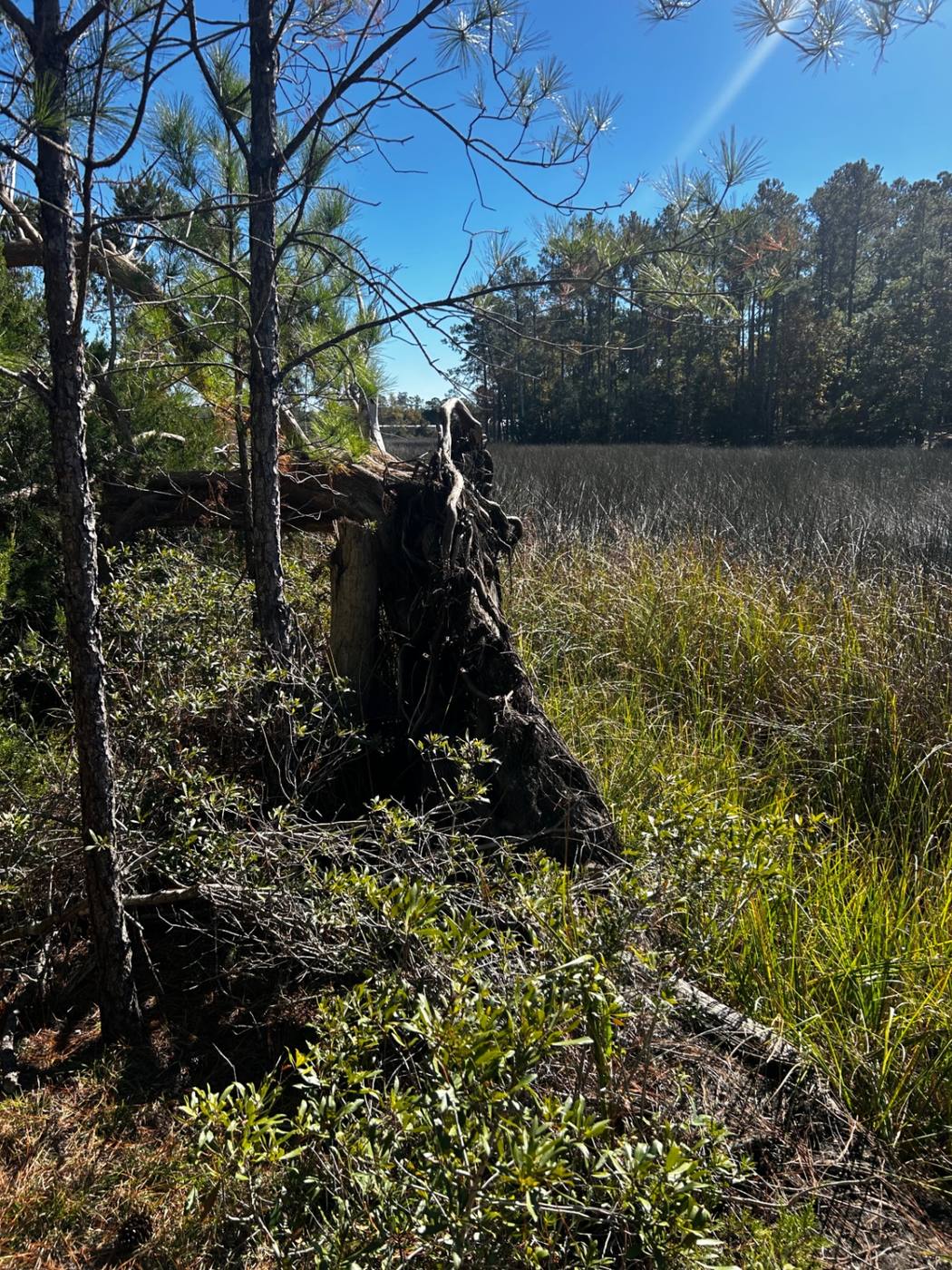
Uprooted mature trees, split trunks, and severe root plate lift are almost always removals. A certified arborist can confirm quickly and honestly.
Post-storm removals typically carry a 25–50% premium over scheduled work — see typical tree removal costs in Brunswick County before accepting a quote.
Free checklist
Get the Hurricane Season Tree Checklist
A printable, Brunswick County–specific list of what to check before the season, what to do during a storm, and the first 48 hours after. Sent once, straight to your inbox — no newsletter.
Storm FAQ
What should I do first after a tree falls on my house?+
Get everyone to a safe area, call 911 if anyone is injured or if the tree is on power lines, then call your insurance company. Photograph everything before any cleanup starts.
Does homeowners insurance cover fallen trees?+
Generally yes if the tree damages a covered structure. Removal of a tree that fell without hitting anything is often not covered. Always confirm with your carrier.
How can I prepare my trees before a hurricane?+
The best prep happens months ahead: structural pruning, removing dead limbs, and evaluating any leaning or compromised trees. Last-minute topping does more harm than good.
Not sure about a tree on your property?
Send us a quick description or photo. We'll share honest, free guidance and — if you need one — connect you with a trusted Brunswick County arborist.